


Introduction
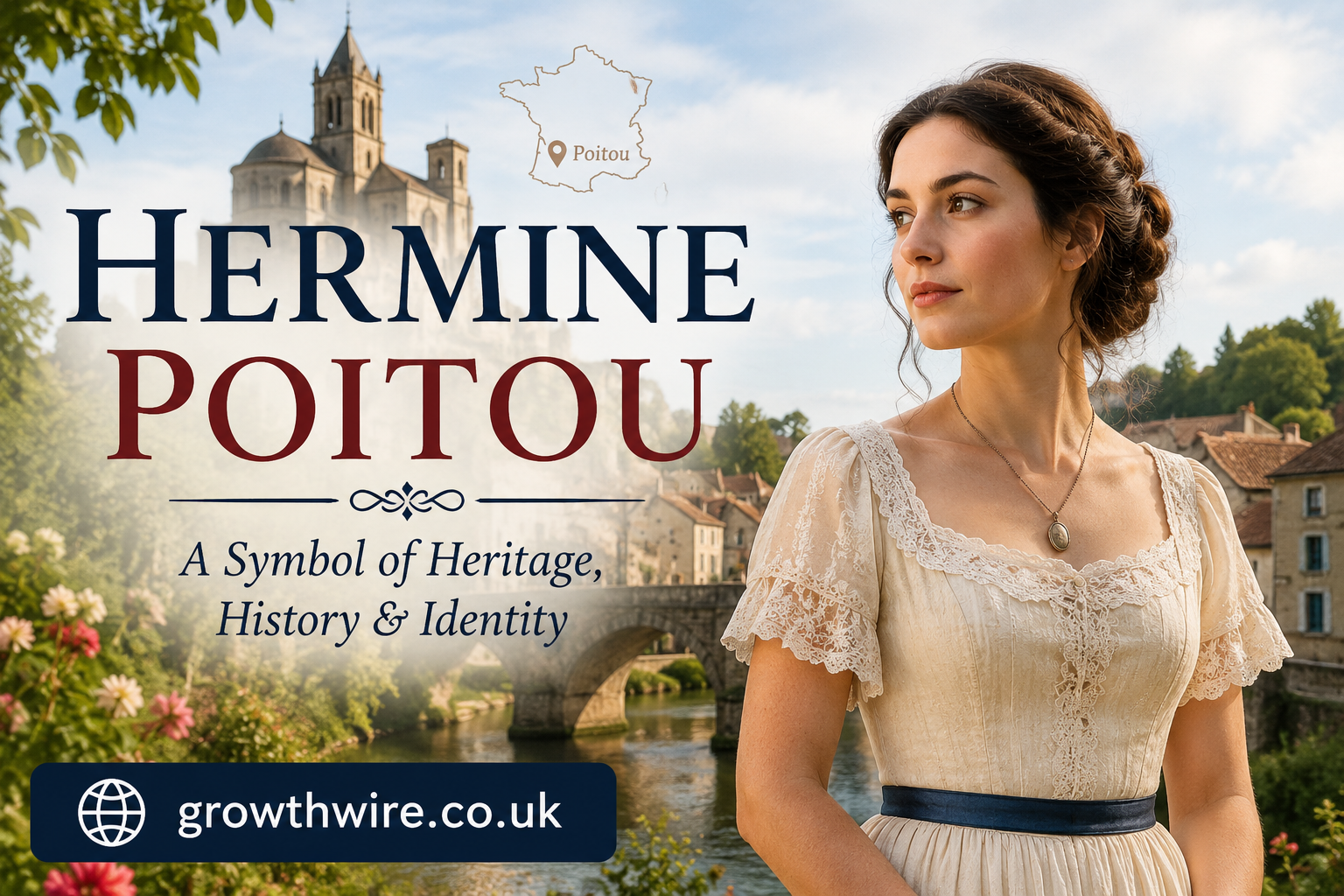
The keyword Hermine Poitou has attracted growing interest online, leading many people to search for its meaning, origins, historical significance, and cultural connections. While it may appear to refer to a specific individual, the phrase can also be understood by examining its two distinct components: Hermine, a classic European given name, and Poitou, one of France’s most historically significant regions.
Understanding Hermine Poitou requires exploring French history, linguistic traditions, regional identity, genealogy, and cultural heritage. Whether the term appears in historical records, family ancestry, literature, or online searches, it carries an intriguing combination of personal identity and geographical importance.
This comprehensive guide explains everything you need to know about Hermine Poitou, including its historical background, possible interpretations, cultural significance, and why interest in the term continues to grow.
What Does Hermine Poitou Mean?
The phrase Hermine Poitou combines two separate elements:
- Hermine – A feminine first name with Germanic and French roots.
- Poitou – A historic province located in western France.
Together, they may refer to:
- A person’s full name
- Someone associated with the Poitou region
- A historical or genealogical reference
- An artistic or literary identity
- A family heritage connected to France
Because public information remains limited, much of the interest surrounding Hermine Poitou comes from research into these individual components.
The Origin of the Name Hermine Poitou
The name Hermine has existed for centuries throughout Europe.
Its origins trace back to the Germanic root “ermen,” meaning:
- Universal
- Great
- Whole
- Complete
Over time, Hermine became popular in:
- France
- Germany
- Austria
- Belgium
- Switzerland
- Luxembourg
Meanwhile, Poitou represents one of France’s oldest historical provinces, famous for its medieval castles, Roman architecture, agriculture, and cultural traditions.
When combined, Hermine Poitou creates a distinctly French identity.
Hermine Poitou in French History
France has a long tradition of preserving family names connected to geographic regions.
Historically, people were often identified by:
- Their hometown
- Their occupation
- Their noble estate
- Their province
Therefore, someone known as Hermine Poitou may have had ancestral ties to the Poitou region or belonged to a family originating there.
Although historical documentation may vary, names connected to regions have been common throughout French history.
Understanding the Region Behind Hermine Poitou
Poitou is one of France’s historic provinces.
It once covered areas that now belong to:
- Vienne
- Deux-Sèvres
- Vendée
The region became well known for:
- Medieval churches
- Romanesque architecture
- Agricultural development
- Vineyards
- Historic villages
- French nobility
For centuries, Poitou played an important role in French politics and regional culture.
The Historical Importance of Poitou
To better understand Hermine Poitou, it helps to appreciate the importance of Poitou itself.
Throughout history, Poitou witnessed:
- Roman occupation
- Medieval conflicts
- Feudal kingdoms
- The Hundred Years’ War
- Religious conflicts
- Agricultural expansion
Its strategic location made it one of western France’s most influential regions.
Hermine Poitou and French Genealogy
Many genealogy researchers search for Hermine Poitou because French family records often preserve combinations of personal names and regional surnames.
Research may include:
- Birth certificates
- Church baptism records
- Marriage registers
- Census documents
- Military records
- Immigration archives
French genealogical research frequently uncovers regional identities linked to provinces like Poitou.
Cultural Significance of Hermine Poitou
The phrase Hermine Poitou represents more than simply a name.
It reflects several aspects of French culture:
Heritage
French families often preserve regional identities across generations.
Identity
Names connected to places can represent family origins.
Tradition
Historical naming customs remain important in genealogical studies.
Regional Pride
Many descendants continue celebrating connections to Poitou today.
The Meaning Behind the Name Hermine
The given name Hermine carries positive symbolic meanings.
These commonly include:
- Strength
- Wisdom
- Completeness
- Nobility
- Leadership
- Grace
Throughout European literature, Hermine has often appeared as a sophisticated and intelligent female character.
Why People Search for Hermine Poitou
Online interest in Hermine Poitou has increased for several reasons.
People often search the term to:
- Learn about a person’s biography
- Explore French ancestry
- Research genealogy
- Understand regional history
- Discover literary references
- Verify historical records
In many cases, curiosity begins with discovering the unusual combination of the first name and the historic province.
Hermine Poitou in Genealogical Research
Genealogy websites often encourage researchers to investigate:
- Parish archives
- Civil registrations
- Family trees
- Immigration documents
- Marriage records
- Historical newspapers
When researching Hermine Poitou, examining these resources can reveal valuable historical connections.
French Naming Traditions and Hermine Poitou
Traditional French naming customs often involved:
- Multiple given names
- Family surnames
- Geographic identifiers
- Noble titles
- Religious influences
Because of these traditions, names associated with regions became common throughout France.
The Architecture of the Poitou Region
One fascinating aspect connected to Hermine Poitou is the remarkable architecture of the Poitou region.
Visitors discover:
- Romanesque churches
- Stone villages
- Historic castles
- Medieval bridges
- Ancient abbeys
- Traditional farmhouses
These landmarks help preserve centuries of French history.
The Cuisine Associated with Poitou
Regional cuisine forms another important part of Poitou’s identity.
Popular specialties include:
- Goat cheese
- Butter-based pastries
- Seafood
- Local wines
- Traditional stews
- Fresh vegetables
Food traditions often become part of a family’s cultural heritage.
Tourism and the Legacy of Hermine Poitou
Travelers interested in French heritage frequently explore Poitou because of its:
- Historic monuments
- Museums
- Countryside
- Castles
- Nature reserves
- Local festivals
Anyone researching Hermine Poitou may eventually become interested in visiting the region itself.
Literature and Artistic Connections
French literature has long embraced names rich in historical meaning.
Although public information connecting Hermine Poitou to a widely recognized literary figure may be limited, names like Hermine often appear in:
- Historical novels
- Family sagas
- Poetry
- Biographies
- Regional storytelling
The combination naturally evokes classical French heritage.
Hermine Poitou and Family Heritage
Many descendants of French families seek to reconnect with their roots.
Research into Hermine Poitou may involve:
- DNA ancestry testing
- Historical archives
- Family interviews
- Old photographs
- Immigration records
- Local history societies
These resources help reconstruct family histories across generations.
Digital Interest in Hermine Poitou
The internet has made historical research much easier.
People searching Hermine Poitou often use:
- Genealogy databases
- Historical archives
- Academic libraries
- Digital newspapers
- Museum collections
- Public records
This growing accessibility has increased public curiosity about historical names.
Common Questions About Hermine Poitou
Is Hermine Poitou a real person?
The phrase may refer to a specific individual, but publicly available information is limited. It can also represent a combination of a personal name and a historic French region.
What does Hermine mean?
Hermine is a traditional European feminine name associated with meanings such as greatness, strength, and completeness.
Where is Poitou located?
Poitou is a historic region in western France that now forms part of the Nouvelle-Aquitaine administrative area.
Why is Poitou historically important?
The region has played a significant role in French political, cultural, religious, and architectural history for many centuries.
Is Hermine Poitou connected to genealogy?
Many researchers investigate the term because it resembles a traditional French personal name combined with a regional identity, making it relevant to family history research.
How to Research Hermine Poitou Further
If you want to learn more about Hermine Poitou, consider these research approaches:
- Search French civil registration records.
- Explore parish archives.
- Review historical census documents.
- Investigate immigration databases.
- Examine local history publications.
- Search genealogical family trees.
- Visit regional archives in western France.
Combining multiple sources often provides the most complete understanding.
The Lasting Appeal of Hermine Poitou
Names linked to historic places often retain a timeless appeal. Hermine Poitou reflects the intersection of personal identity and regional heritage, encouraging interest from historians, genealogists, and travelers alike. Whether encountered in family records, online discussions, or historical research, the phrase highlights how names can preserve connections to the past while continuing to spark curiosity today.
For many people, exploring Hermine Poitou becomes a gateway to learning about French naming traditions, the history of Poitou, and the broader cultural legacy of western France.
Conclusion
The phrase Hermine Poitou brings together a classic European given name and one of France’s most historically important regions. While definitive public information about a specific individual with this name may be limited, the combination offers rich opportunities to explore French heritage, genealogy, regional history, and cultural traditions.
From medieval architecture and regional cuisine to family history and linguistic origins, the story surrounding Hermine Poitou reflects the enduring value of preserving historical identities. As online interest continues to grow, researchers and readers alike can appreciate the broader historical and cultural context that makes this keyword both distinctive and meaningful.
Whether your interest lies in genealogy, French history, travel, or cultural studies, Hermine Poitou serves as an engaging starting point for discovering the fascinating connections between names, places, and heritage.
