


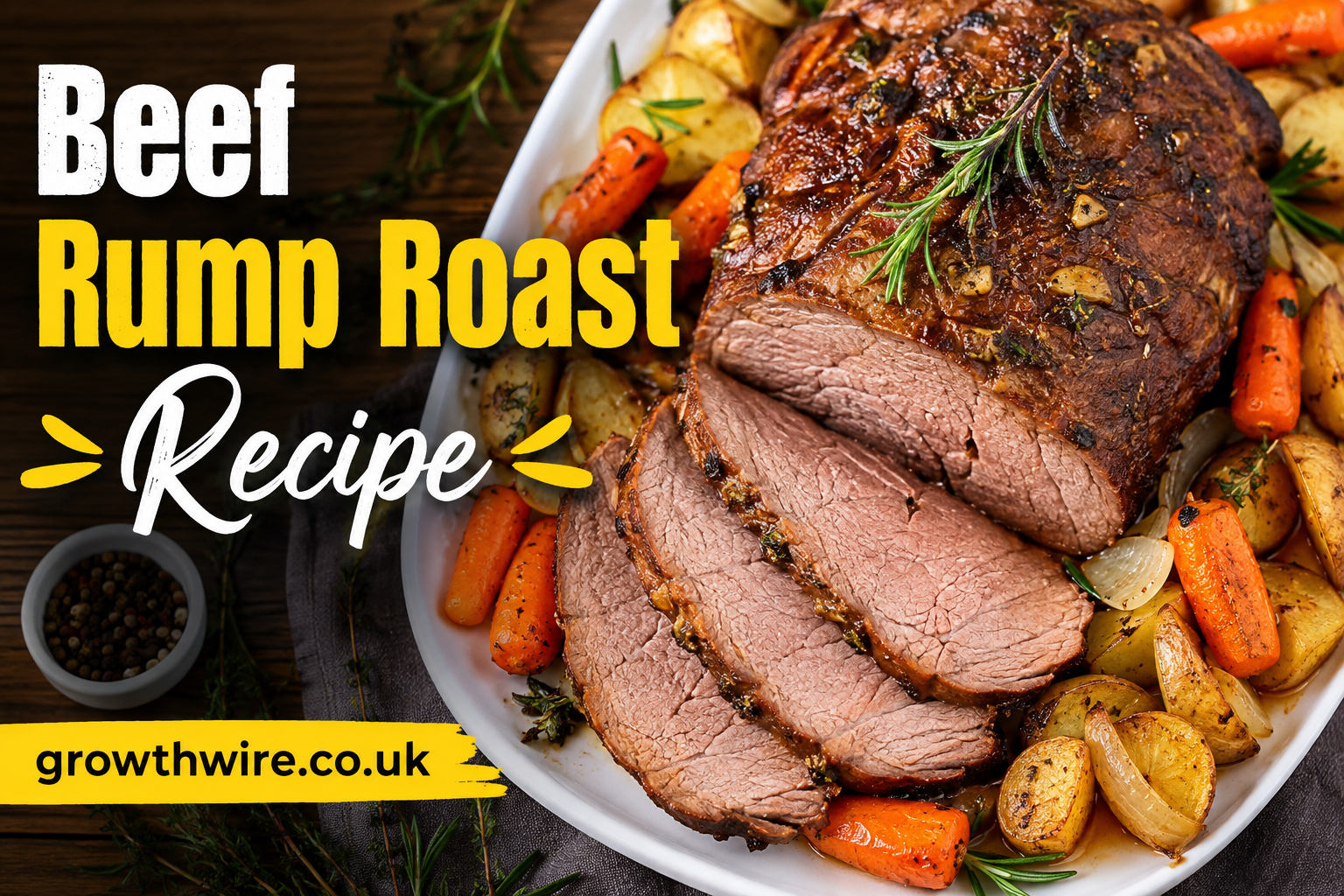
A well-prepared beef rump roast recipe is one of the best ways to turn an affordable cut of beef into a delicious, hearty meal. Whether you’re preparing Sunday dinner, hosting guests, or simply looking for leftovers that taste just as good the next day, a rump roast offers exceptional value and rich flavor.
Unlike premium cuts, a beef rump roast benefits from slow cooking, allowing the connective tissues to break down while keeping the meat juicy and tender. With the right seasoning, cooking method, and resting time, this classic roast can easily become one of your favorite homemade dishes.
In this guide, you’ll learn everything from selecting the best cut to seasoning, cooking, serving suggestions, storage tips, and common mistakes to avoid.
What Is a Beef Rump Roast?
A beef rump roast comes from the rear section of the cow, specifically the round primal cut. Since this area gets plenty of exercise, the meat is naturally lean with firm muscle fibers.
Although it isn’t naturally as tender as ribeye or tenderloin, it develops excellent flavor when cooked slowly. This makes it an excellent option for roasting, braising, or slow cooking.
Characteristics include:
- Lean with minimal marbling
- Rich beef flavor
- Affordable price
- Ideal for slow cooking
- Great for meal prep and leftovers
Why This Beef Rump Roast Recipe Works
This beef rump roast recipe focuses on low and slow cooking, which helps preserve moisture while gradually softening the tougher muscle fibers.
Benefits include:
- Tender slices every time
- Rich herb-infused flavor
- Easy preparation
- Perfect for holidays or family dinners
- Minimal hands-on cooking
The result is a juicy roast surrounded by flavorful vegetables and a savory gravy.
Ingredients for Beef Rump Roast Recipe
For the Roast
- 3–4 pound beef rump roast
- 2 tablespoons olive oil
- 2 teaspoons kosher salt
- 1 teaspoon black pepper
- 2 teaspoons garlic powder
- 2 teaspoons onion powder
- 1 teaspoon smoked paprika
- 1 teaspoon dried thyme
- 1 teaspoon dried rosemary
- 1 teaspoon Italian seasoning
Vegetables
- 4 carrots
- 4 potatoes
- 2 onions
- 3 celery stalks
- 6 garlic cloves
Cooking Liquid
- 2 cups beef broth
- 1 tablespoon Worcestershire sauce
- 2 tablespoons tomato paste
- 1 tablespoon soy sauce
- 1 teaspoon Dijon mustard
Kitchen Equipment Needed for Beef Rump Roast Recipe
You’ll need:
- Roasting pan
- Meat thermometer
- Sharp carving knife
- Aluminum foil
- Cutting board
- Mixing bowl
- Basting spoon
Having the right equipment makes the cooking process easier and helps achieve better results.
Preparing the Meat Before Cooking
Preparation plays a major role in achieving a tender roast.
Bring to Room Temperature
Remove the roast from the refrigerator about 45 minutes before cooking.
This promotes more even cooking throughout the meat.
Pat Dry
Use paper towels to remove excess moisture.
A dry surface allows better browning during searing.
Season Generously
Mix all dry seasonings together and coat every side of the roast evenly.
Don’t forget the ends.
Searing in a Beef Rump Roast Recipe
Searing locks in flavor and creates a beautiful crust.
Heat olive oil in a heavy skillet over medium-high heat.
Brown every side for approximately:
- 3–4 minutes per side
- Rotate carefully
- Brown the edges too
The crust adds depth of flavor during roasting.
Beef Rump Roast Recipe Cooking Instructions
Step 1
Preheat oven to 325°F (163°C).
Step 2
Place chopped vegetables in the roasting pan.
Step 3
Set the seared roast on top.
Step 4
Combine:
- Beef broth
- Worcestershire sauce
- Tomato paste
- Soy sauce
- Dijon mustard
Pour around the roast.
Step 5
Cover tightly with foil or a lid.
Step 6
Roast approximately:
- 3-pound roast: 2½–3 hours
- 4-pound roast: 3–3½ hours
Cooking time depends on thickness rather than exact weight.
Internal Temperature Guide for Beef Rump Roast Recipe
Always use a meat thermometer.
| Doneness | Temperature |
|---|---|
| Rare | 125°F |
| Medium Rare | 135°F |
| Medium | 145°F |
| Medium Well | 150°F |
| Well Done | 160°F |
Remember the temperature rises slightly during resting.
Why Resting the Roast Matters
Rest the roast for 15–20 minutes before slicing.
Benefits include:
- Juices redistribute evenly
- Meat stays moist
- Cleaner slices
- Better texture
Skipping this step often results in dry meat.
How to Slice Beef Correctly
Always slice:
- Across the grain
- Thin slices
- Sharp knife
- Even thickness
Cutting against the grain shortens muscle fibers, making every bite more tender.
Best Vegetables for Beef Rump Roast Recipe
Traditional vegetables include:
- Potatoes
- Carrots
- Onions
- Celery
Additional options:
- Parsnips
- Sweet potatoes
- Turnips
- Mushrooms
- Brussels sprouts
Root vegetables hold up especially well during long cooking times.
Seasoning Ideas for Beef Rump Roast Recipe
Classic herbs work beautifully with beef.
Popular choices include:
- Rosemary
- Thyme
- Sage
- Garlic
- Black pepper
- Smoked paprika
- Onion powder
- Parsley
Fresh herbs provide brighter flavor, while dried herbs offer convenience.
Slow Cooker Variation
Many home cooks prefer making this beef rump roast recipe in a slow cooker.
Instructions:
- Sear the roast first.
- Add vegetables.
- Pour cooking liquid over everything.
- Cook:
- Low: 8–9 hours
- High: 5–6 hours
The slow cooker creates fork-tender meat with very little effort.
Dutch Oven Method
A Dutch oven produces excellent results.
After searing:
- Add vegetables.
- Pour in broth mixture.
- Cover tightly.
- Bake at 325°F.
The heavy pot retains moisture exceptionally well.
Making Delicious Homemade Gravy
After cooking:
- Remove roast.
- Strain pan juices.
- Simmer liquid.
- Mix:
- 2 tablespoons butter
- 2 tablespoons flour
- Whisk together.
- Slowly add cooking liquid.
Cook until thickened.
Season with salt and pepper if needed.
Common Mistakes to Avoid
Even experienced cooks can make a few mistakes.
Avoid these:
- Cooking too hot
- Skipping the sear
- Under-seasoning
- Cutting immediately
- Overcooking
- Not using a thermometer
- Using too little liquid
Small adjustments can make a significant difference.
Tips for an Extra Tender Beef Rump Roast Recipe
For consistently tender results:
- Cook slowly.
- Use enough broth.
- Keep covered.
- Let the meat rest.
- Slice thinly.
- Cook to the proper temperature.
- Avoid rushing the process.
Patience is one of the most important ingredients.
Side Dishes That Pair Well
Classic sides include:
- Creamy mashed potatoes
- Buttered green beans
- Roasted asparagus
- Dinner rolls
- Yorkshire pudding
- Corn on the cob
- Roasted broccoli
- Macaroni and cheese
Fresh salads also help balance the richness of the beef.
Leftover Ideas
One advantage of this beef rump roast recipe is how versatile leftovers can be.
Use leftover beef in:
- Sandwiches
- Wraps
- Tacos
- Shepherd’s pie
- Beef stew
- Fried rice
- Pasta dishes
- Beef hash
The flavor often becomes even better the next day.
Storage Tips
Store leftovers in an airtight container.
Refrigerator:
- Up to 4 days
Freezer:
- Up to 3 months
Store slices with some cooking juices to help retain moisture.
Reheating Without Drying Out
For best results:
Oven
Place slices in baking dish.
Add broth.
Cover with foil.
Heat at 300°F until warm.
Microwave
Use medium power.
Cover loosely.
Heat in short intervals.
Adding a little broth prevents dryness.
Nutritional Benefits
Beef provides several important nutrients.
A typical serving contains:
- High-quality protein
- Iron
- Zinc
- Vitamin B12
- Niacin
- Selenium
- Phosphorus
Pairing the roast with vegetables creates a balanced and satisfying meal.
Can You Marinate Before Cooking?
Yes.
Marinating overnight can add extra flavor.
Good marinade ingredients include:
- Olive oil
- Garlic
- Soy sauce
- Worcestershire sauce
- Dijon mustard
- Fresh herbs
- Black pepper
Avoid overly acidic marinades for extended periods, as they can affect the texture of lean cuts.
Frequently Asked Questions About Beef Rump Roast Recipe
Should I cook it covered or uncovered?
Covering the roast during most of the cooking process helps retain moisture. If you prefer a deeper crust, uncover it during the last 20–30 minutes.
Is rump roast tough?
It can be if cooked quickly. Slow roasting or braising allows the connective tissue to soften, producing a much more tender result.
Can I cook it without vegetables?
Absolutely. The roast cooks well on its own, though vegetables add flavor and create a complete one-pan meal.
What’s the best way to know when it’s done?
A digital meat thermometer is the most reliable method. Check the thickest part of the roast and remove it when it reaches your preferred level of doneness.
Can I freeze cooked rump roast?
Yes. Slice the meat, store it with some cooking juices in a freezer-safe container, and freeze for up to three months. Thaw overnight in the refrigerator before reheating.
Final Thoughts on Beef Rump Roast Recipe
A well-made beef rump roast recipe proves that you don’t need an expensive cut of meat to create a memorable meal. With simple ingredients, proper seasoning, and a slow cooking approach, this lean roast transforms into a tender, flavorful centerpiece that’s perfect for family dinners, special occasions, or meal prepping for the week ahead.
Whether you choose the oven, a slow cooker, or a Dutch oven, the key is patience. Allow the meat to cook gently, let it rest before slicing, and serve it alongside your favorite vegetables and homemade gravy. Once you’ve mastered the basics, this classic recipe is easy to customize with different herbs, seasonings, and side dishes to suit your taste.
From comforting Sunday suppers to delicious leftover sandwiches, this versatile roast is a reliable choice that delivers satisfying results every time.
